
Uncategorized
DMT Carts vs Other Formats: Key Differences, Effects and What to Know
Mar
People often discuss DMT alongside different formats and methods of presentation. Additionally, within the broader psychedelics category, they compare these formats to better understand differences in structure, consistency, and overall experience.
This guide breaks down the key differences between DMT carts and other commonly discussed formats, helping you understand how each one is typically described.
What Are DMT Carts
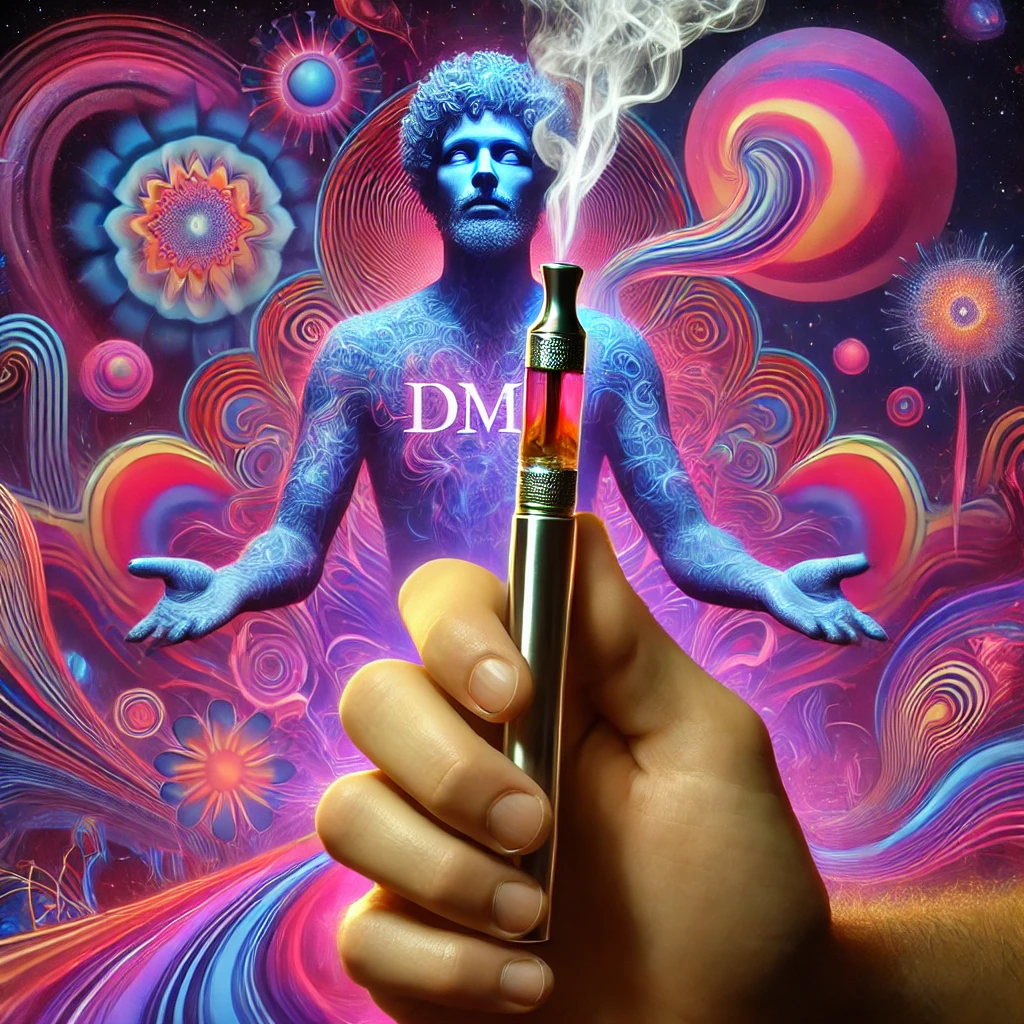
DMT carts, often referred to as cartridges, connect directly with vapor-based devices. As a result, their structured design delivers convenience and ease of use.
They are typically described as:
- Pre-filled and ready to use
- Designed for compatibility with vape devices
- Consistent in form and presentation
Because of this, many discussions highlight their simplicity and accessibility compared to other formats.
What Are Other DMT Formats

Outside of cartridges, DMT exists in different forms depending on context. Furthermore, these formats differ in structure, preparation, and overall presentation.
Commonly mentioned formats include:
- Concentrated forms associated with direct use
- Measured formats linked to microdosing discussions
- Alternative presentation styles depending on context
Each format may differ in terms of consistency, structure, and how the experience is described.
DMT Carts vs Other Formats: Main Differences
Understanding the differences between formats helps clarify how each option is typically positioned.
1. Convenience and Usability
- DMT carts are often described as more straightforward and easier to handle
- Other formats may require more preparation or understanding
2. Consistency and Structure
- Cartridges are usually presented as more uniform in structure
- Other formats may vary more in composition and consistency
3. Experience and Description
- DMT carts are often associated with a more controlled and predictable presentation
- Other formats may be described as more variable depending on context
4. Accessibility of Use
- Carts are commonly linked to ease of use due to their design
- Other formats may involve additional steps or variation in handling
How Format Can Influence the Experience
Different formats shape the overall experience. Furthermore, consistency, presentation, and structure define how each format is described, although variations still occur.
These differences can affect:
- How quickly effects are described to begin
- How consistent the experience is perceived
- How the duration is discussed across formats
Because of this, many comparisons focus on format rather than just effects alone.
Choosing Between DMT Carts and Other Formats
When comparing formats, the focus is usually on understanding differences rather than selecting a specific option. Factors often discussed include:
- Simplicity vs variability
- Structured vs less structured formats
- Consistency vs variation in presentation
Reviewing different product formats and categories can help provide a clearer picture of how each option is typically described.
Overall, DMT carts and other formats differ in convenience, consistency, and structure. Carts provide simplicity and uniformity, while other formats show more variation depending on context. Consequently, these distinctions clarify how DMT formats compare and how each one differs.
Frequently Asked Questions
What are DMT carts
DMT carts operate as cartridge-based formats for vape devices and deliver convenience through their structured design.
Are DMT carts different from other formats
Yes, DMT carts provide more consistency and easier use, while other formats show greater variation in structure and presentation.
Which format is more consistent
Discussions often describe cartridges as more consistent due to their standardized form, while other formats may differ depending on context.
Do different formats affect duration
Format may influence how duration is described, particularly in terms of onset and consistency, although this can vary.
Why do people compare DMT formats
People compare formats to better understand differences in usability, consistency, and how each option is typically presented.
