
Uncategorized
What Is DMT? Effects, Duration and Complete Guide
Mar
DMT, short for dimethyltryptamine, is often asked about in questions like what is DMT and how it works, it is a naturally occurring compound that has been widely discussed in scientific research and cultural contexts. It belongs to a group of substances known as psychedelics, which are associated with changes in perception, mood, and awareness.
What makes DMT unique is its rapid onset and short duration compared to many other compounds in this category. Because of this, it is often described as producing an intense but brief experience.
How DMT Works in the Brain
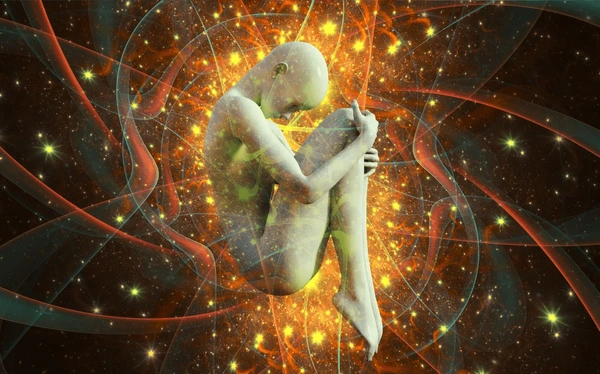
DMT interacts with serotonin receptors in the brain, which play a key role in regulating mood, perception, and cognitive function. This interaction influences how sensory information is processed, leading to noticeable changes in awareness and perception.
Unlike longer-acting substances, DMT acts quickly, which is why it is often referenced as one of the fastest-acting compounds in its category.
Physical and Mental Effects of DMT
DMT affects both the mind and body, producing a range of sensory and physical responses. These effects can vary depending on individual sensitivity and environmental factors.
Commonly discussed effects include:
- Altered perception of colors, shapes, and patterns
- Heightened sensory awareness
- Changes in time perception
- Emotional and cognitive shifts
- Increased heart rate
- Changes in body awareness
The overall experience is often described as intense and immersive, though it can vary widely between individuals.
How Long Do DMT Effects Last
Understanding what DMT is, its effects, and its duration helps build a clearer picture of how it is commonly described. One of the most defining characteristics of DMT is its short duration.
Typical timeline:
- Onset: seconds to a few minutes
- Peak: short but intense phase
- Total duration: usually under 30 minutes
This rapid cycle is one of the main reasons DMT is often discussed as being different from other substances.
Factors That Influence the Experience
The effects of DMT are not the same for everyone. Several factors can influence how the experience unfolds:
- Individual sensitivity
- Environment and surroundings
- Mental state
- Context of use
Because of these variables, experiences can differ significantly.
Understanding Different DMT Formats
In broader discussions, people often associate DMT with different formats and methods of presentation. These formats typically appear in non-clinical contexts and can vary in structure, consistency, and overall description.
Some commonly mentioned formats include:
- Concentrated forms used in vapor-based devices
- Measured formats associated with microdosing discussions
- Other presentation styles depending on context
Each format is typically discussed in relation to differences in experience, duration, and consistency.If you’re exploring further, reviewing different product formats and categories can help provide a clearer understanding of how these variations are described.
Learn More About DMT Products and Formats
If you’re exploring this topic further, you can review different DMT product formats and categories to better understand how various sources describe and structure them. In addition, compare formats, consistency, and overall presentation to get a clearer picture of how each option differs.
