
NEWS
What Is Microdosing? DMT Microdosing and 4-AcO-DMT Explained

Apr
Microdosing involves taking very small, measured amounts of a substance, usually below the level that produces strong or noticeable effects. Consequently, this approach has gained significant attention in psychedelic discussions, particularly with compounds like DMT and 4-AcO-DMT.
This guide explains how microdosing is commonly described, with a focus on DMT microdosing and microdosing 4-AcO-DMT, including how these approaches differ in context and presentation.
What Is Microdosing
Microdosing involves taking small, controlled amounts of a compound at intervals. The goal in most discussions centers around subtle effects rather than intense or immersive experiences.
Key characteristics include:
- Low, measured quantities
- Structured timing or intervals
- Focus on consistency and control
Because of this, microdosing often appears in conversations about gradual and controlled approaches.
DMT Microdosing Explained
DMT microdosing focuses on using very small amounts of DMT in a controlled manner. Discussions around this approach often highlight structure, consistency, and measured use.
DMT microdosing is typically associated with:
- Short duration compared to other compounds
- Fast-acting onset
- Controlled and measured formats
Due to its fast-acting nature, DMT is often described differently from other substances when used in microdosing contexts.
Microdosing 4-AcO-DMT
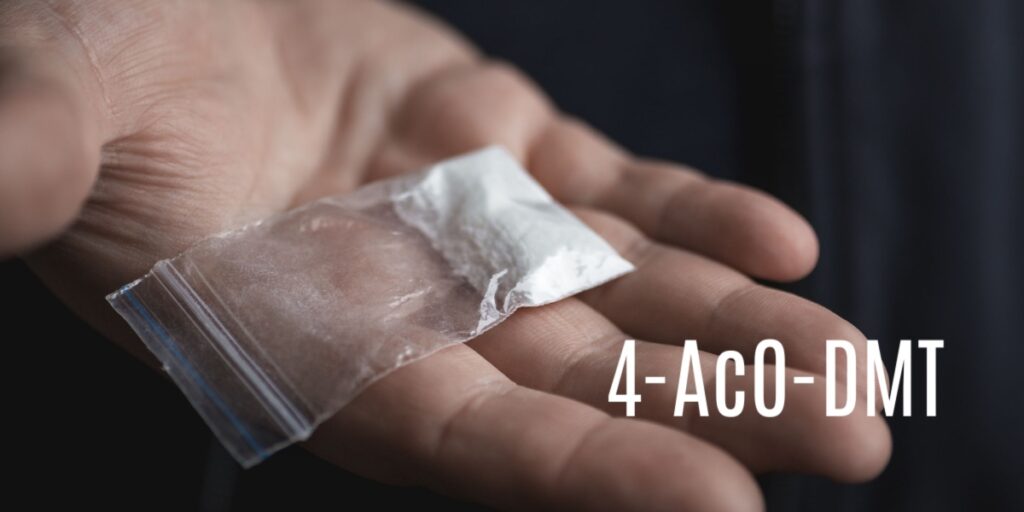
4-AcO-DMT is another compound frequently mentioned in microdosing discussions. It is often compared to other compounds due to its structure and how it is described in various contexts.
Microdosing 4-AcO-DMT is typically associated with:
- Gradual onset compared to DMT
- Longer duration
- Structured and measured use
Because of these characteristics, discussions often highlight differences between DMT and 4-AcO-DMT in microdosing approaches.
DMT vs 4-AcO-DMT Microdosing: Key Differences
Understanding the differences between these two approaches helps clarify how they are typically described.
1. Onset Speed
DMT acts quickly, while 4-AcO-DMT is often described as having a more gradual onset.
2. Duration
DMT has a short duration, while 4-AcO-DMT is associated with a longer-lasting experience.
3. Structure and Use
Both emphasize measured use, but discussions often describe DMT as more fast-acting and 4-AcO-DMT as more extended in timeline.
Why Microdosing Is Discussed
Microdosing appears frequently in discussions because it focuses on control, consistency, and measured use rather than intensity.
It is often referenced in contexts that emphasize:
- Structured approaches
- Repeatable patterns
- Gradual experiences
Understanding Microdose Formats | Dmt drug microdosing
Microdosing is often linked to specific formats designed for precision and consistency. These formats may vary depending on how they are described and presented.
Reviewing different product formats and categories helps create a clearer understanding of how microdosing approaches differ across contexts.
Conclusion
Microdosing centers around small, controlled amounts and structured use. Both DMT microdosing and microdosing 4-AcO-DMT highlight different characteristics, particularly in terms of onset and duration.
Understanding these differences provides a clearer view of how microdosing is typically described and how various approaches compare.
Frequently Asked Questions
What is the difference between DMT and 4-AcO-DMT in microdosing
DMT is typically described as fast-acting with a short duration, while 4-AcO-DMT is associated with a slower onset and longer duration.
Why do people talk about microdosing
Discussions often focus on structure, consistency, and controlled use rather than intensity.
